by Sharai Lavoie | Jan 23, 2025 | Healthcare, Women Who Lead
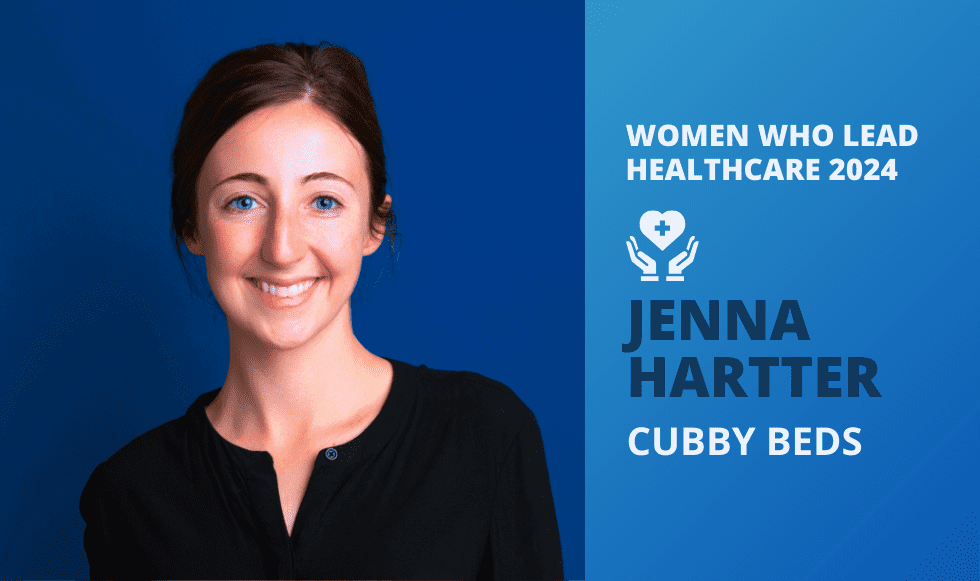
Healthcare innovation is marked by leaders who not only achieve great milestones but also have a profound commitment to creating meaningful change. Jenna Hartter’s story is a powerful testament to perseverance, operational excellence, and a deep-rooted passion for improving lives.
Roots of Ambition: A Family-Inspired Foundation
Jenna’s journey begins with a unique family background that shaped her worldview. As the second of four daughters, she was raised by parents who deeply valued education. Her father, in particular, instilled a belief that there were no limits to what she could achieve. This foundational support would become the bedrock of her future professional pursuits.
Growing up, family vacations were spent visiting museums and educational sites rather than other tourist destinations. This approach to learning fostered a curiosity and openness that would later define her career trajectory. Her parents didn’t just teach education; they taught the art of continuous learning and exploration.
From Corporate Foundations to Startup Innovation
Jenna’s professional journey began in the structured world of a Fortune 500 company, where she spent half a decade developing her skills. However, she wasn’t content to remain within the familiar corporate boundaries. Her transition to the startup sector was far from easy – she faced doubts about her ability to pivot from a large corporate environment to the high-risk, fast-paced world of innovative startups.
This skepticism could have been a deterrent, but for Jenna, it was a challenge to overcome, and one she approached systematically and with intention. Her move from consumer products to medical technology was another significant leap, entering an industry where she had no prior experience. While each transition represented a career move, it was also a deliberate choice to expand her impact and challenge existing limitations.
Pioneering Operations at Cubby Beds
At Cubby Beds, Jenna has become a transformative force in scaling insurance-covered safety beds for children with special needs. She had a hand in building the company’s operational infrastructure from scratch – both physical product operations and company-wide strategic & operating cadences. At Cubby, a medical device product with a mission to help families better access the care they need, she’s faced with some difficult and unique challenges never before been tackled by the industry. To meet these, she’s able to bring expertise from her background in CPG, omnichannel, and direct-to-consumer startups to build new & creative solutions.
The company’s growth is a testament to her skills: from the team of seven she was hired into to over 40 full time employees, now selling thousands of products within just three years. Each strategic decision and additional bed sold represents not just a business milestone, but a step towards improving more lives of families with children who have special needs.
A Personal Connection to Healthcare Transformation
Jenna’s commitment to healthcare innovation is deeply personal. As a foster parent to three young children, she has experienced firsthand the complexities of accessing healthcare services. “I have a much closer view of what it’s like to try to get healthcare services,” she explains. “It’s very complex and much harder than it should be… It shouldn’t take an advanced degree and it shouldn’t take a whole ton of time [to access the services we need] .”
The Philosophy of Incremental Progress
One of Jenna’s most powerful strategies is breaking down challenges into manageable actions. “I am a very operational person in all aspects of my life, and use similar frameworks to approach a new challenge at work or a new challenge at home,” she explains. When facing obstacles, she focuses on “breaking things down into small and doable next steps .”
Jenna maintains a file of her past accomplishments – a personal reminder of challenges she’s already overcome. This practice isn’t about ego, but about recognizing her own capacity for growth and adaptation. Each past achievement becomes a building block of confidence for future endeavors.
Balancing Professional Ambition and Family Life
For Jenna and her husband, managing a two-career household with three children under four is an exercise in strategic planning. They’ve developed sophisticated systems for managing household logistics, including weekly family meetings to coordinate responsibilities. This approach allows them to pursue their professional goals while maintaining a supportive, efficient home environment.
Inspiration from a Global Perspective
Influenced by Muhammad Yunus – a Bangladeshi economist, entrepreneur, politician, civil society leader, and Nobel Peace Prize winner – Jenna embraces the idea that transformative innovations can emerge from unexpected places. Her internship in Bangladesh was a pivotal moment, teaching her that committed individuals can create systemic change by focusing on solving real-world problems.
A Message to Emerging Leaders
To young professionals, Jenna offers a powerful message: “You don’t need to be a visionary to have a big impact. Meaningful work can be found in implementing grand ideas well”. She finds this challenge & satisfaction in operations, in bringing others’ visions to life with well-constructed and well-executed systems. She encourages focusing on doing meaningful work rather than seeking spotlight & attention “When you focus on doing good work, you’ll look up after months, years, and decades and see the impact you’ve had on people’s lives – more than you could have ever dreamed.”
The Multifaceted Nature of Perseverance
Jenna Hartter embodies perseverance not through dramatic resistance, but through consistent, strategic action. Her journey illustrates that success is about breaking complex challenges into manageable steps, maintaining a commitment to personal growth, and never losing sight of the broader impact one can make.
As a member of Women Who Lead Healthcare 2024, Jenna represents the innovative spirit driving positive change in healthcare – proving that with determination, strategic thinking, and a genuine desire to help others, one can transform industries and improve lives.
by Sharai Lavoie | Jan 22, 2025 | Healthcare, Women Who Lead
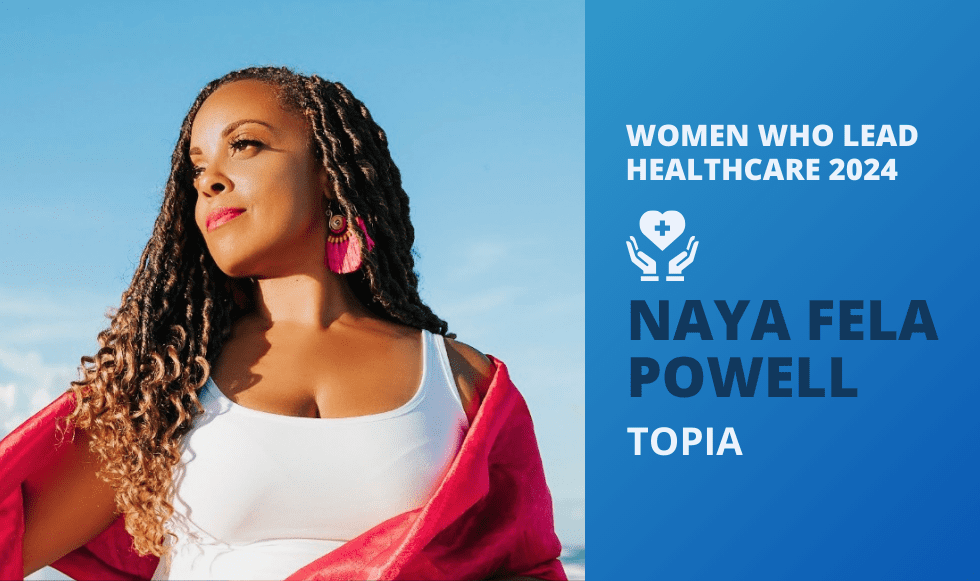
Naya Powell‘s journey into health and wellness is not just a career path; it’s a compelling narrative shaped by her personal and family experiences. As a third-generation entrepreneur, Naya was inspired by her parents’ remarkable resilience and commitment to community. Her father, a marathon runner, founder and CEO of a global government contracting firm with clients that spanned from the Pentagon to Military bases worldwide, instilled in her the values of tenacity, global citizenship, wellness and visionary thinking. Meanwhile, her mother made history as the first Black national sales director for Mary Kay Cosmetics in Virginia, exemplifying entrepreneurship and empowering women to rise.
With over 15 years of experience in corporate America, Naya thrived in fast-paced, demanding environments; however, she experienced her own bouts with burnout and a sense of belonging. Her roles in tech, consulting, and global talent acquisition at companies such as Red Hat, IBM, Korn Ferry, Microsoft, and others provided her with insight into the pervasive issues of workplace engagement, retention and mental health across hybrid and global teams. Naya witnessed firsthand how these challenges hinder professional success, and productivity, deepening her commitment to creating work cultures that promote mindful leadership, occupational health, happiness, and performance.
Naya is a dedicated community leader who has transformed the workplace wellness landscape by not only addressing these critical issues but also advocating for representation and empowerment. Her journey is a testament to the strength and determination of women in healthcare, and her insights are essential for driving meaningful change in the industry.
The Birth of Topia (Formerly Utopia Global Wellness): A Response to a Critical Need
When looking further into these issues, the statistics Naya encountered were alarming. She discovered that one in five Americans was dealing with mental health challenges, and the World Health Organization reported over $1 trillion in annual productivity losses due to depression and anxiety.
These insights became the catalyst for Topia, a B2B digital health and wellness platform designed to revolutionize employee well-being.
“So everyone knows that stress and burnout are an epidemic – impeding our productivity and ability to show up. You see, there is a productivity gap in wellness. Therefore, here at Topia, we focus on 4 key pillars of health: mental, physical, emotional, and occupational. Our AI wellness coach taps into our one-stop library of 700+ sessions, live and on-demand, delivering personalized plans for health, happiness, and performance,” Naya explains. Her platform goes beyond traditional wellness approaches that offer a one-size-fits-all approach. Topia is proud graduate of 2024 Techstars Washington DC Accelerator, powered by J.P. Morgan.
Naya’s entrepreneurial path was far from smooth. After leaving her corporate job to focus on her wellness business, Topia, she faced significant challenges when the COVID-19 pandemic dramatically altered the business landscape. Her financial runway was quickly depleting, and she wasn’t sure how she would sustain her business.
However, Naya’s approach to adversity was to persistently seek opportunities. She applied to the Google for Startups fund, having been rejected the previous year. This time, not only was she accepted, but she also received double the funding she had originally sought.
“A dream delayed is not a dream denied,” Naya reflects, embodying the essence of perseverance.
A Comprehensive Wellness Ecosystem
Topia is more than just a platform; it’s a comprehensive wellness ecosystem. The company offers:
- 1-STOP Workplace Wellness & Productivity Platform
- 4 Health Pillars: Mental, Physical, Emotional & Occupational
- AI-Powered Coach personalizes plans
- 700+ Classes | 24/7 On-Demand | 6 Languages
- Customizable Workshops | Wellness and Mindful Leadership Coaching
- Licensed Mental Health Therapist
- Curated Leadership Retreats & Kick-offs
- Healthplan Partnerships
With this diverse array of offerings, Topia is dedicated to promoting holistic well-being for all.
A partnership with the world’s largest health plan, which emerged from a transformative executive coaching session, exemplifies our organization’s commitment to its mission. Naya shares, “One of my biggest highlights has been Topia being invited to provide a curated virtual retreat for one of their teams. As we enter our third year of this esteemed partnership with a global leader in health plans, I couldn’t be more proud.”
Personal Philosophy: Balancing Life and Purpose
Naya’s approach to personal and professional life is deeply intentional. She prioritizes her values—faith, family, finances, and fun—and practices what she preaches in the wellness industry. Her weekly routine includes:
- Prayer and gratitude journaling
- Taking walks
- Dedicating Sundays to self-care and restoration
- Maintaining clear boundaries between work and personal life
- Annually: Wellness retreats and beach time with Utopia Spa Global Wellness Retreats
Mentorship and Community
For Naya, community is not just a concept but a critical component of well-being. She actively encourages immersion in supportive networks, whether through conferences, accelerator programs, or professional communities. Her belief is simple yet profound: “Life isn’t meant to be done alone, and we can go so much farther together.”
Inspiration for Future Generations
When considering how to inspire the next generation of women in healthcare and wellness, Naya’s message is powerful. She advocates for:
- Prioritizing personal well-being
- Embracing authenticity
- Being courageous
- Finding supportive communities
- Believing in individual uniqueness
“Every one of us was uniquely and divinely created to make an impact in the world that no one else can,” she emphasizes.
Future Vision: Beyond Digital Wellness
Looking forward, Naya envisions expanding Topia beyond its digital platform. Her ambitious goal is to establish brick-and-mortar retreat centers worldwide, continuing her mission of making holistic health and well-being accessible to everyone.
Advice to Her Younger Self and Aspiring Entrepreneurs
Drawing from wisdom shared by her mentors—her godmother, father, and mother—Naya’s advice crystallizes into powerful mantras:
- “Always do a little more than expected.”
- “Never say you can’t without giving it a try.”
- “Go as far as you can see, and then you’ll see further.”
The Transformative Power of Perseverance
Naya Powell’s story transcends a personal success narrative. It is a profound testament to the power of resilience, innovation, and unwavering commitment to creating meaningful change in healthcare, wellness, and beyond.
Her journey reminds us that challenges are not insurmountable obstacles, but opportunities for growth, transformation, and ultimately, making a significant difference in the world.
by Sharai Lavoie | Jan 22, 2025 | Healthcare, Women Who Lead
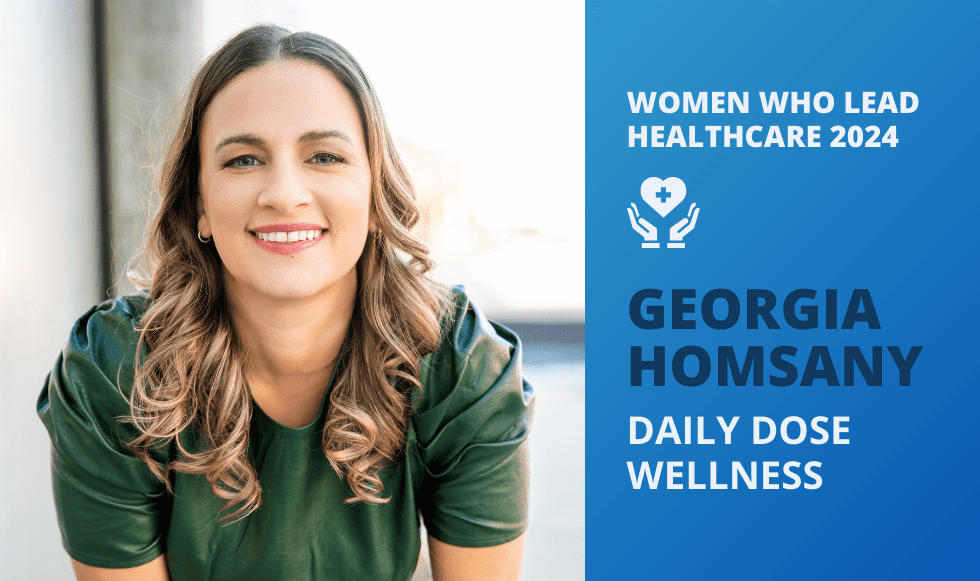
Workplace burnout has become increasingly common, but Georgia Homsany turned her personal experience into a powerful mission to help others. As founder and CEO of Daily Dose Wellness, she’s revolutionizing how companies approach employee well-being, proving that career pivots can lead to meaningful impact.
Finding Purpose Through Personal Experience
Georgia’s journey to founding Daily Dose Wellness began with her own corporate burnout experience. “I had personally reached a point of burnout at the company I was at, and I didn’t want to just get another job in marketing,” she shares.
This pivotal moment led to a career shift at age 38 – a decision that, while daunting, aligned with her passion for wellness and desire to create positive change in the corporate world.
“I had this idea that there are so many people that are probably feeling the way I had felt,” Georgia explains. “My thought was: why not take something that I’m passionate about and apply it in the business setting? I had felt like there were a lot of resources for individuals to do on their own, but not as much support available in the workplace, where we spend most of our day.”
Building a Business During Unprecedented Times
Starting a business at the onset of the COVID-19 pandemic presented unique challenges, but Georgia’s perseverance proved stronger. As a “one-woman show,” she handles everything from sales outreach and marketing to moderating webinars and working directly with clients.
Daily Dose Wellness provides organizations with wellness breaks through 30-minute webinars, 30-day challenges, and virtual health fairs – all designed to help employees stay productive and prevent burnout.
“I started a business at the start of the pandemic so I was already going up against a lot,” Georgia reflects. Her strategy for overcoming obstacles? “You have to think about whether this is something you genuinely want to do and then make sure you are celebrating the wins, no matter how small they feel in those moments.”
The Power of Positive Feedback and Personal Growth
Georgia’s commitment to making a difference is reinforced by the impact she sees in people’s lives. “Whenever I receive feedback, I tell myself, if I help one person in each program or interaction I have, then my job is done,” she says. She keeps a “power jar” – a practice learned from her business coach – where she collects positive feedback about her work.
“When you’re in those moments feeling challenged or thinking maybe you did the wrong thing or want to give up on the business… that power jar comes in handy because you can read all those positive statements of who you inspired or helped and it reminds you why you’re doing the work you’re doing.”
Finding Balance and Setting Boundaries
As someone who helps others achieve work-life balance, Georgia practices what she preaches. She advocates for thoughtful choices about commitments: “Do what you want to do. Which sounds obvious, but you’d be surprised how many people are just filling their calendar with things they feel like they have to do or they should do.”
She emphasizes the importance of making gradual changes rather than dramatic ones, suggesting that people “start making micro changes” when establishing new boundaries or habits.
Embracing Change and Following Intuition
For women considering career changes, Georgia emphasizes the importance of trusting one’s intuition. “I think women especially, we’re very good at having that intuition. And, when something doesn’t feel right in our gut, it’s usually spot-on,” she advises. This wisdom led to her publishing a book earlier this year titled “You’re Not Lazy: Change Your Words to Change Your Worth,” focusing on transforming negative self-talk into confidence-building dialogue.
She finds inspiration in successful women who found their path later in life, particularly author Jen Sincero. “One thing I was inspired about personally with Jen is that she says in her book how she didn’t really ‘make it’ until her 40s… that gave me hope because as someone who switched career paths at 38 years old, you wonder, can I actually make a living now starting something new?”
Looking to the Future
Georgia’s vision extends beyond individual success. “My overall goal is to get wellness into as many companies as possible,” she states. Her approach focuses on proactive wellness rather than reactive solutions: “What are little changes that you can start to incorporate in your day that you feel are feasible that will put those healthy habits in place that you can stick with in the long run?”
Through her work at Daily Dose Wellness, speaking engagements, and her book, Georgia continues to champion workplace wellness while inspiring others to pursue their passions, regardless of age or career stage.
Her journey serves as a testament to the power of perseverance and the impact one person can have when they choose to follow their intuition and pursue meaningful change.
by Sharai Lavoie | Jan 22, 2025 | Women Who Lead
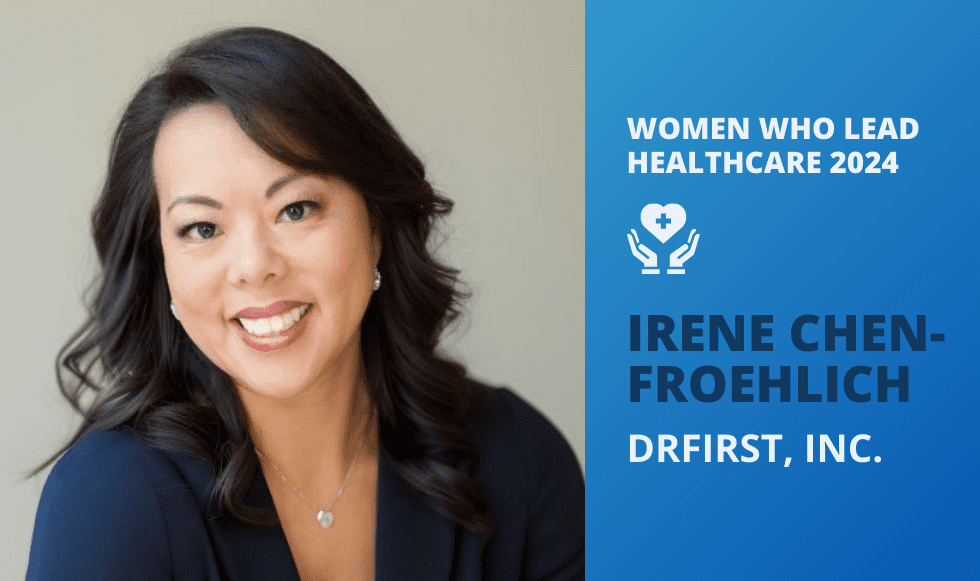
In healthcare technology, leaders who can adapt and grow while staying true to their values are rare gems. Irene Froehlich, Chief Brand Officer at DrFirst, embodies this ideal balance through her remarkable 25-year journey from graphic designer to executive leadership. Her story is one of continuous growth, adaptation, and the courage to embrace vulnerability in leadership.
A Legacy of Innovation and Determination
Born to immigrant parents from Taiwan and Cambodia, Irene’s foundation for success was built on her father’s entrepreneurial spirit and her mother’s high expectations. “My dad is a serial entrepreneur… he always believed that I could do anything,” she reflects, “he didn’t let all those challenges or barriers prevent him from being successful.”
Her entry into healthcare technology was inspired by her mother’s experiences as a nurse, where she witnessed firsthand the inefficiencies plaguing the healthcare system. “Twenty-five years ago… they didn’t have Internet in the practices…patients didn’t have access to their records,” she recalls, highlighting the motivation behind her work to integrate and streamline healthcare technology.
A Multi-Faceted Career Journey
Irene’s path at DrFirst has been an impressive feat. She has held numerous leadership positions, including head of sales, head of account management, and oversight of talent acquisition and marketing. “I have worn almost every hat at DrFirst for a period of time,” she notes, attributing this versatility to her strength as a “crisis fixer.”
Her current role as Chief Brand Officer encompasses not just brand management but also cultural leadership, particularly crucial in today’s remote workplace environment. “I am still in charge of the company’s vision and the brand, but I also help with the culture to ensure that the entire company, especially in a remote workplace, is still connected and gelling together,” she explains.
Making an Impact in Healthcare
At DrFirst, Irene leads initiatives that address critical healthcare challenges. “We work with patients, hospitals, doctors, pharma,” she explains. Her work focuses on making specialty medications more accessible, improving patient education, and creating more affordable healthcare options.
“We look at where all the holes are in healthcare and we fill them up,” she explains. “A lot of other companies do one or two things, but we do the holistic thing because we look at the big picture and we say, ‘Okay, where are all the places not working well together? And how do we unite those things together?’”
Overcoming Challenges and Learning to Lead
Irene’s journey wasn’t without its struggles. Early in her career, she faced significant opposition as a young woman in a male-dominated industry. “I was a little bit of a bulldog,” she admits. “Here I was, 24 years old, 23 years old, basically telling everybody where they needed to go… it caused a lot of friction.”
Over time, Irene developed a more collaborative approach. “When you ask questions, you understand their perspective… assuming positive intent, people will see that you’re really trying to get on the same page with them and they become a lot more open and vulnerable,” she reflects.
Personal health challenges further aligned Irene with the mission of DrFirst: “I myself have chronic health conditions and I’ve seen how difficult it is for patients…We can be a part of helping to make that much more seamless and much more efficient.”
Redefining Success and Balance
These health challenges also prompted Irene to reevaluate her approach to work-life harmony. “When I was younger, all I cared about was getting to the next level. I was working 80-hour weeks,” she shares. Her health conditions taught her the importance of delegation and trust, leading to a more sustainable leadership style.
“I say harmony instead of balance because I think balance makes people feel guilty,” she explains. “If you’re an executive, you are typically very passionate about the work you do… it doesn’t feel like work.” This perspective has led her to embrace a more holistic approach to success, including community involvement and charitable activities.
Inspiring the Next Generation
Irene is passionate about encouraging women to pursue leadership roles in healthcare. “I really want to inspire women in healthcare to break through barriers and do it without sacrificing authenticity,” she says.
She particularly emphasizes the importance of taking risks: “Women have a tendency to not apply for those jobs unless they’ve done it and then done it exceedingly… I would encourage them to pursue leadership roles, lean into their intuition, and try things that they’ve never done before.”
Advice for Future Leaders
Her advice to aspiring leaders is deeply personal and practical:
- Embrace vulnerability: “The more you say, ‘Hey, I don’t know this. Can we collaborate?’ the more that you say, ‘You have a strength in this area. Can you educate me?'”
- Take care of your health: “Your health is your most valuable asset. If you don’t have that, it doesn’t matter about anything else.”
- Ask for help: “Trust is actually from asking for help. When you ask people, they feel good about themselves.”
- Stay authentic: “Don’t allow success to rob you of your peace of your joy.”
Looking Forward
Irene Froehlich’s approach to leadership, combining technical expertise with emotional intelligence and authenticity, represents the future of healthcare technology leadership – one that values both progress and human connection.
“Think about success from the standpoint of what is the ripple effect that you are doing to create a way or pave the way for compassionate leadership for inclusivity,” she concludes, embodying the kind of leadership that will continue to shape and improve healthcare technology for years to come.
by Sharai Lavoie | Jan 22, 2025 | Healthcare, Women Who Lead
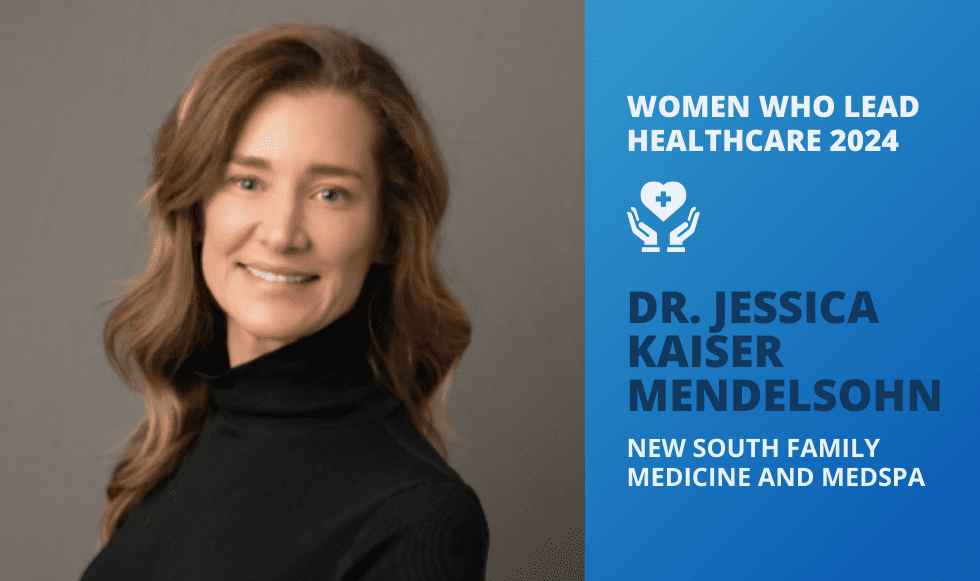
From the age of five, Dr. Jessica Mendelsohn knew her calling was medicine. Her childhood declaration to her parents wasn’t just a passing fancy, but a profound insight into her future path. “I always knew it’s what I wanted to do,” she reflects. “I think it’s in my blood.”
An Unexpected Pathway to Medicine
No one in her immediate family worked in traditional medical roles. With only a younger cousin who is a nurse, her inspiration came from a less conventional exposure to healthcare. This unconventional background didn’t deter her; instead, it fueled her determination to carve her own path in the medical field.
The Heart of Healthcare: Human Connection
At the core of Dr. Mendelsohn’s practice is a profound belief in human connection. “The people,” she emphasizes, are the most rewarding aspect of her work. Her approach goes beyond traditional medical care, focusing on partnership rather than simply “fixing” health issues. “We’re able to talk to the public, learn their stories, understand what’s going on with their health, and be able to work with them as partners towards better health,” she explains.
Reimagining Primary Care
Dr. Mendelsohn’s direct primary care practice, New South Family Medicine and MedSpa, represents a radical departure from traditional healthcare models. By eliminating insurance companies from the equation, she’s created a patient-centered approach that prioritizes individual care over bureaucratic constraints. “Patients pay us directly, and we are not involved with an insurance company or third-party paying us,” she explains.
This model allows for deeper patient relationships, longer visits, and a more personalized approach to healthcare. Her ultimate goal is ambitious: to demonstrate a better way of practicing medicine and receiving healthcare in the primary care space.
Navigating Professional Challenges
Dr. Mendelsohn is candid about the additional challenges women face in the medical profession. “As a woman in healthcare, as a woman physician, our thought process is different,” she observes. “We have to perhaps work a little bit harder than our male colleagues to get to the same place.”
Her strategy for overcoming these challenges is rooted in a growth mindset. She views obstacles not as insurmountable barriers, but as opportunities for learning and growth. “Either you succeed, or you learn,” she says.
Blending Personal and Professional Life
Contrary to traditional notions of work-life balance, Dr. Mendelsohn sees her professional and personal lives as deeply interconnected. “There is no balance,” she candidly shares. Instead, she focuses on being present in the most important moment at hand, whether that’s responding to her children’s needs or addressing a patient’s health concerns.
She even involves her family in her professional journey, making her practice “part of our family” and using it as an opportunity to teach her children about community impact and professional dedication.
A Lifelong Learning Journey
Dr. Mendelsohn credits her current success to the cumulative experiences throughout her career. Opening her practice without prior business experience was daunting, but her previous work in large healthcare systems provided crucial insights. “I don’t know that I would have had the understanding on a more global aspect of what influence I can have in healthcare if I hadn’t gone through all of that prior,” she reflects.
Message to the Next Generation
Her advice to young professionals, especially women in healthcare, is profound: “Don’t lose sight of all the incredible things that you are.” She encourages embracing multiple facets of identity, recognizing that a career in healthcare is important, but not the sole definition of one’s self.
Wisdom for Her Younger Self
If she could send a message to her younger self, it would be: “Don’t change a thing, and don’t think so far into the future that you miss the present.” She emphasizes the importance of pausing, breathing, and acknowledging one’s accomplishments along the way.
The Power of Perseverance
Dr. Jessica Mendelsohn’s journey is a testament to the power of perseverance, passion, and purpose. Her story demonstrates that success is not about avoiding challenges, but about learning, adapting, and remaining committed to your passion.
“In the words of Robyn Arzon, ‘You’ve made it through 100% of your bad days.’” To Jessica, this resonates as a powerful reminder of human resilience and the potential for growth, even in the face of significant obstacles.
By sharing her story, Dr. Mendelsohn isn’t just inspiring the next generation of healthcare professionals – she’s actively reshaping the landscape of patient care, one patient and one practice at a time.